
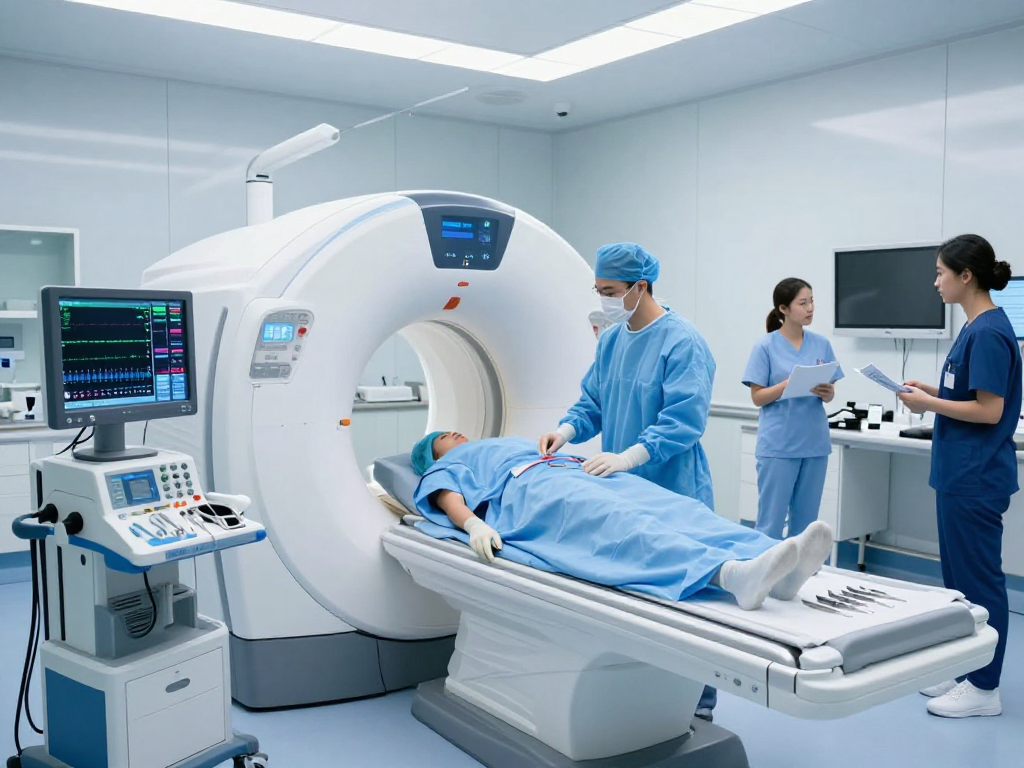
Understanding the Role of Interventional Radiologists
Interventional radiology is a subspecialty of radiology that uses imaging techniques to guide minimally invasive surgical procedures. The role of an interventional radiologist UAE encompasses a wide range of diagnostic and therapeutic interventions that are crucial to modern medicine. These specialists leverage advanced imaging technologies—like X-rays, CT scans, and MRIs—to visualize the internal structures of the body while performing procedures such as biopsies, drainages, and stent placements. Through their expertise, interventional radiologists provide patients with alternatives to traditional surgery, often resulting in reduced recovery times and fewer complications.
What Does an Interventional Radiologist Do?
Interventional radiologists are physicians who specialize in performing minimally invasive procedures using imaging guidance. They are trained to diagnose and treat a variety of conditions affecting numerous organ systems. Their work typically involves detailed imaging studies to identify pathologies, followed by the execution of targeted interventions. This may include placing catheters, using imaging techniques to guide precise needle placements for biopsies, or performing therapies such as angioplasty and embolization.
Common Procedures Performed by Interventional Radiologists
- Angioplasty: A procedure to open narrowed blood vessels.
- Stenting: Involves placing a small mesh tube to keep blood vessels open.
- Biopsy: Taking a tissue sample to diagnose cancer or other diseases.
- Drainage Procedures: Involving the removal of fluid from cysts or abscesses.
- Varicose Vein Treatments: Such as sclerotherapy and laser ablation.
Importance of Interventional Radiology in Modern Medicine
Interventional radiology plays a pivotal role in modern healthcare by bridging the gap between radiology and surgery. These procedures are often less invasive than traditional surgical methods, leading to shorter hospital stays and faster recoveries. Moreover, the ability to treat conditions without the need for major surgery significantly lowers patient risk, making interventions available to a broader patient demographic, including those with comorbidities.
The Advancements in Interventional Radiology Technologies
The field of interventional radiology is rapidly evolving, driven by technological advancements and innovations. These improvements are not only enhancing the precision and effectiveness of procedures but are also making them more accessible to patients all over the world.
Latest Innovations in Imaging Equipment
The latest imaging modalities, such as 3D imaging and real-time MRI, are revolutionizing the way interventional radiologists conduct procedures. These innovations provide superior visualization of the anatomy, allowing for more accurate diagnoses and excellent treatment outcomes. Furthermore, portable imaging equipment is increasing access to these technologies in various healthcare settings, improving patient outcomes dramatically.
Emerging Techniques and Their Benefits
New techniques in interventional radiology, such as ultrasound-guided interventions, are providing safer alternatives for patients. These methods reduce exposure to ionizing radiation and allow for dynamic assessment during the procedure. Additionally, robotic-assisted systems are becoming more prevalent, aiding interventional radiologists in executing complex procedures with greater precision and control.
Impact of AI on Interventional Radiology
Artificial Intelligence (AI) is being integrated into interventional radiology to enhance decision-making and optimize outcomes. AI algorithms can analyze imaging data more quickly and accurately than traditional methods, assisting radiologists in identifying abnormalities and planning interventions. This integration is paving the way for personalized medicine, where treatments can be tailored to individual patient needs based on predictive analytics.
Patient Experiences and Outcomes
Understanding patient experiences is vital in evaluating the efficacy and impact of interventional radiology procedures. Patient feedback can provide insights into the benefits of minimally invasive techniques and the overall satisfaction with their treatment journey.
How to Prepare for an Interventional Radiology Procedure
Preparation for an interventional radiology procedure often involves several steps. Patients should have a clear understanding of the procedure, including what to expect before, during, and after the treatment. Important preparations may include fasting, medication adjustments, and ensuring that all relevant medical history is disclosed. Additionally, patients are advised to arrange for transportation home, as they may be sedated during the procedure.
Patient Case Studies: Success Stories
Many patients have experienced transformative outcomes through interventional radiology. For instance, a patient suffering from severe varicose veins underwent a minimally invasive laser treatment, resulting in significant symptom relief and improved quality of life. Another case involved a patient with a liver tumor, who successfully had a targeted biopsy and subsequent ablation treatment that provided effective tumor control without major surgery.
Understanding Risks and Complications
As with any medical procedure, interventional radiology carries risks. Common complications may include bleeding, infection, and adverse reactions to anesthesia. However, the overall risk profile is generally lower than that of traditional surgical procedures. Patients should engage in a thorough discussion with their interventional radiologist to understand the specific risks associated with their planned procedure.
Choosing the Right Interventional Radiologist in UAE
Selecting a qualified interventional radiologist is crucial for ensuring the best possible outcomes. Patients should consider factors such as experience, specialization, and the reputation of the healthcare facility.
Factors to Consider When Selecting a Specialist
- Credentials: Check for board certification and specialized training in interventional radiology.
- Experience: Look for a practitioner with extensive experience in the specific procedure required.
- Hospital Affiliations: The reputation and quality of the affiliated hospital can significantly impact patient care.
How to Evaluate Qualifications and Experience
When evaluating a potential interventional radiologist, patients should seek information regarding their educational background, training, and years of practice. Additionally, reviewing outcomes from previous patients can provide valuable insights into the specialist’s proficiency.
Patient Testimonials and Their Importance
Patient testimonials can be a powerful tool in assessing the quality of care provided by an interventional radiologist. Positive feedback and success stories can instill confidence in patients while negative reviews should also be considered as part of a comprehensive evaluation.
Future Trends in Interventional Radiology by 2026
The future of interventional radiology looks promising, with innovations on the horizon that will likely enhance patient care and expand treatment options.
Predicted Changes in Treatment Approaches
By 2026, it is anticipated that personalized treatment plans, utilizing genetic and biomarker information, will become standard practice in interventional radiology. These approaches aim to tailor interventions to the patient’s specific condition more accurately, improving outcomes and minimizing unnecessary procedures.
The Role of Telemedicine in Interventional Radiology
Telemedicine is expected to play a significant role in the evolution of interventional radiology, allowing for remote consultations and follow-up appointments. This shift will increase accessibility for patients, particularly in rural or underserved areas, and facilitate ongoing communication between patients and their interventional radiology team.
Anticipated Patient Care Improvements
As interventional radiology continues to evolve, patients can expect improved recovery protocols, enhanced pre-operative assessments, and streamlined treatment pathways. Innovations in patient education and support will also promote better understanding and resilience during the recovery process.
What types of conditions do interventional radiologists treat?
Interventional radiologists treat a wide variety of conditions, including vascular diseases, cancer, gastrointestinal issues, and urologic problems. Their ability to perform targeted treatments makes them essential in managing complex medical conditions effectively.
Are interventional radiology procedures safe?
Most interventional radiology procedures are considered safe. However, like all medical procedures, they do carry some risks, which should be discussed with your healthcare provider to make informed decisions.
How does interventional radiology differ from traditional surgery?
Interventional radiology is inherently less invasive compared to traditional surgery. It often requires only small incisions and uses imaging guidance to navigate to the area of concern without the need for extensive surgical exposure.
What are the signs I need to see an interventional radiologist?
Patients may need to see an interventional radiologist if they experience symptoms related to vascular disease, require targeted biopsies, or need treatments for conditions like chronic pain, cancer, or gastrointestinal disorders.
How can interventional radiology improve cancer treatment options?
Interventional radiology offers several advanced treatments for cancer patients, including targeted ablation therapies and vascular interventions that enhance blood flow to tumors, thereby improving the effectiveness of chemotherapy and radiation treatments.